


Smart Carry Solutions for Work, Travel, and Daily Life
A good carry setup is less about trends and more about flow. When your bag choice matches the way you move through a day, commuting, meetings, gym stops, flights, errands, you waste less time digging, re-packing, or worrying about whether something will fit. The best solution also protects your essentials, keeps your posture comfortable, and looks appropriate in different settings without forcing constant swaps.
Start With Capacity That Matches Your Real Load
Before you fall for a silhouette, list what you carry on a typical weekday and on your most demanding day. Include the unglamorous items: water bottle, umbrella, charger, lunch container, laptop, or a cardigan. If the bag barely fits your essentials, it will strain seams and your shoulders, and you’ll end up carrying extras in your hands. A roomy base with structure gives you the flexibility to add items without losing shape, and gravitate toward options where Tie Bags offers premium tote bags for that “fits everything but still looks composed” feeling.
Create Zones Inside Your Bag to Stop the Daily Search
Organization isn’t about having more pockets; it’s about deciding where items live and keeping that decision consistent. Set up three zones: quick-access (phone, keys, transit card), mid-access (wallet, sunglasses, small personal items), and deep storage (tech, notebooks, backup layers). Use slim pouches so small objects don’t vanish into corners, and choose a pouch color you can spot instantly. This zoning system makes switching environments, desk, car, airport, café, feel smoother because you can find what you need without unloading everything.
Choose a Work-Ready Shape That Doesn’t Look Overstuffed
For work, the bag should hold its form even when it’s full. A stable base and a slightly structured body prevent the slouchy, stuffed look that can make a polished outfit feel casual. Pay attention to how the straps sit: if they slide off your shoulder or dig in, you’ll constantly adjust your posture and lose comfort. If you carry a laptop, consider how the bag holds weight against your body closer, which is better for balance, especially if your commute includes stairs or long walks.

Build a Travel Setup That Moves Through Security Fast
Travel demands speed and predictability. Pack so your most frequently requested items, ID, boarding pass, phone, and sanitizer are accessible with one hand. Keep liquids and tech in separate pouches so you can remove them quickly without rummaging. If you use a carry-on suitcase, your bag should sit comfortably on the handle without tipping, and it should still be easy to lift into an overhead bin when needed. A smart travel setup isn’t about squeezing in more; it’s about making the transitions effortless and reducing the number of times you open and close your bag in a crowded space.
Make Comfort a Feature, Not an Afterthought
A bag can look great and still be a problem if it fights your body. Comfort comes from strap width, strap length, and how the bag distributes weight. If you often carry heavier items, a slightly wider strap can make a big difference over a week of use. Consider how the bag behaves when you’re wearing a coat; some straps slide more on smooth fabrics. Small adjustments like packing heavier items closer to your back and using pouches to stabilize contents can reduce swing and shoulder strain.
Weatherproofing and Durability for Real Life
Daily life includes rain, spills, scratched hardware, and crowded commutes. Look for materials that wipe clean and interiors that don’t stain easily. A reinforced base helps when you set your bag down on floors, benches, or sidewalks. Hardware matters too: zippers that glide, clasps that don’t catch, and stitching that looks even along stress points. A durable bag isn’t “indestructible,” but it should handle typical wear without forcing you to baby it or constantly worry about scuffs.
Coordinate Your Carry With Your Clothing Without Trying Too Hard
A bag should support your style, not compete with it. The simplest approach is to match the bag’s formality level to your most common outfits; sleek if you dress tailored, relaxed if you dress casual, somewhere in between if you do both. This is where accessories for outfits can be used strategically: if your bag is neutral and clean-lined, you can rotate shoes, jewelry, or scarves for variety while keeping the carry piece consistent. When the bag works with most looks, you eliminate unnecessary swaps and reduce the chance of forgetting something mid-change.
Keep a Modular Day Kit for Daily Life Switching
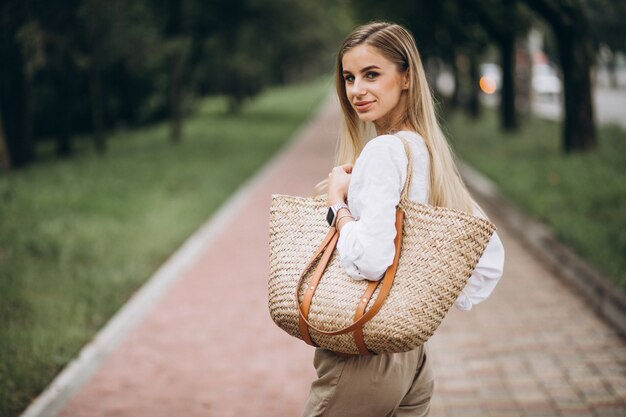
Many people live in mixed modes: office to gym, errands to dinner, travel to meetings. A modular kit helps you switch without repacking from scratch. Create a small set of pouches: one for tech, one for personal care, and one for “just in case” items like a stain wipe or mini lint roller. The outer bag can change, but the modules stay the same. This method also makes everyday fashion bags more practical because you can rotate styles while keeping your internal system intact.
Make the Bag Part of Your Personal Brand
A carry piece is often the one item you take everywhere, so it quietly signals your taste and professionalism. Keep it clean, maintain the hardware, and avoid overloading it until it loses shape. If you like variety, choose one core bag in a classic color and one alternative that adds personality. This is also a good time to test fashion accessory ideas in a controlled way, like a subtle bag charm or a patterned scarf, so you can refresh the look without sacrificing function.
Conclusion
The right carry solution reduces stress across workdays, travel days, and everything in between. When your bag has the right capacity, a consistent internal system, and comfort built into the design, your routine becomes smoother, and your essentials stay protected. A smart setup isn’t about carrying more; it’s about moving better, finding things faster, and feeling ready for whatever the day decides to add.


Comments